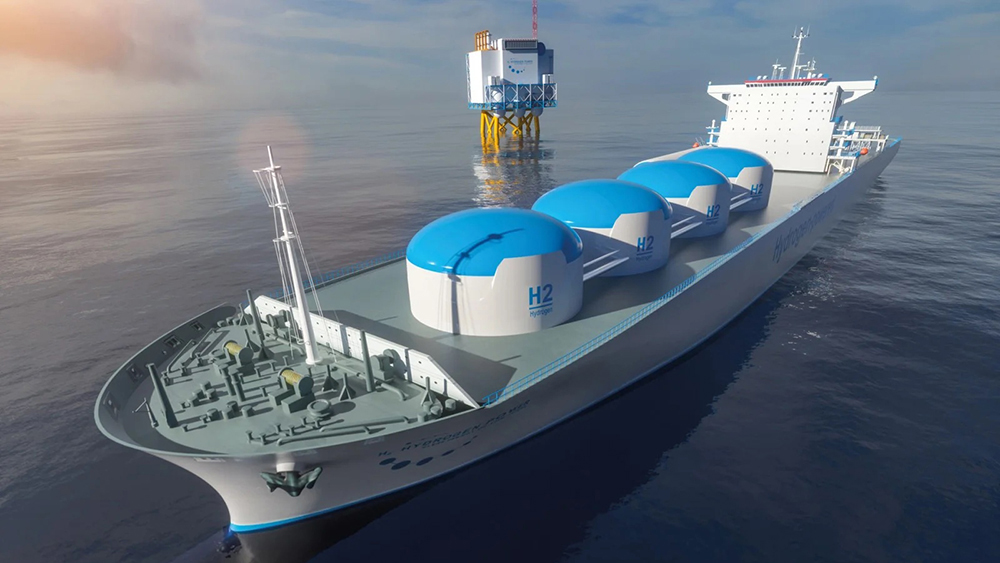
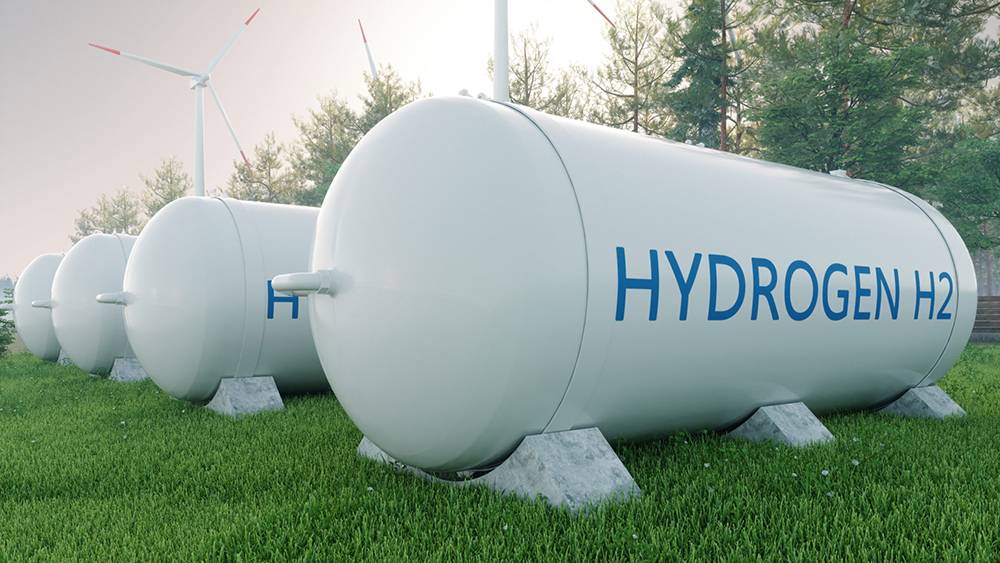
In the global transition from fossil fuels to renewable energy sources, the role of green hydrogen is becoming increasingly significant, with production volumes expanding annually. Green hydrogen is characterized by its minimal carbon footprint, as it is producedthrough electrolysis powered by renewable electricity, primarily from solar and wind energy. While a portion of this renewable electricity is consumed directly as electrical energy, another portion is converted into hydrogen gas. This hydrogen serves either as an energy storage medium or as a clean fuel for various applications, particularly in the mobility sector.Hydrogen can be stored in several ways: by compression to high pressures, typically 350 or 700 bar, or by cryogenic cooling and liquefaction to temperatures below -250°C. The choice between compressed gaseous hydrogen and liquid hydrogen storage depends on the specific application and volume requirements. Liquefaction is particularly advantageous when large volumes of hydrogen need to be transported over extended distances, or when space constraints within a vehicle necessitate a more compact storage solution than the voluminous tanks required for compressed gas.
What is LH2?
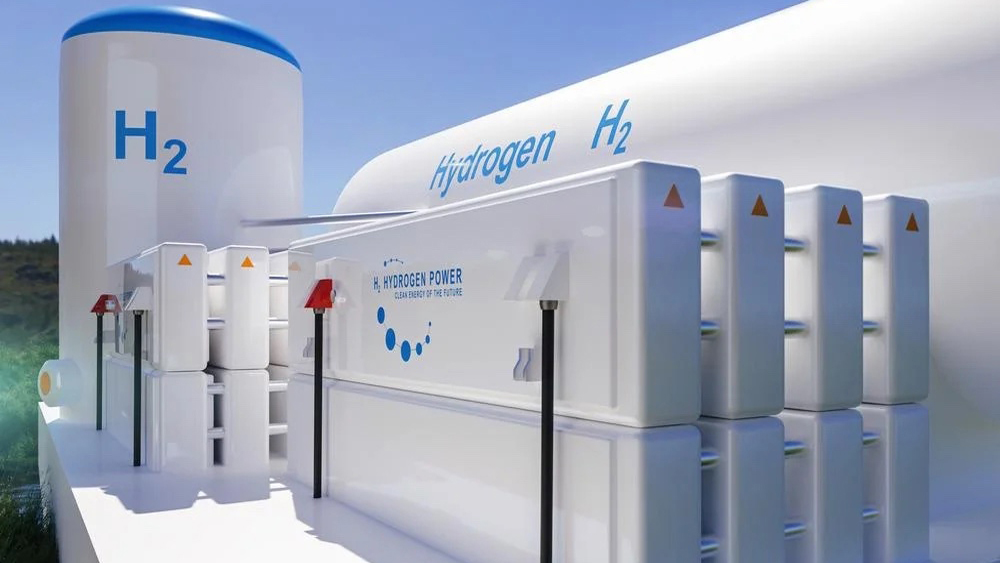
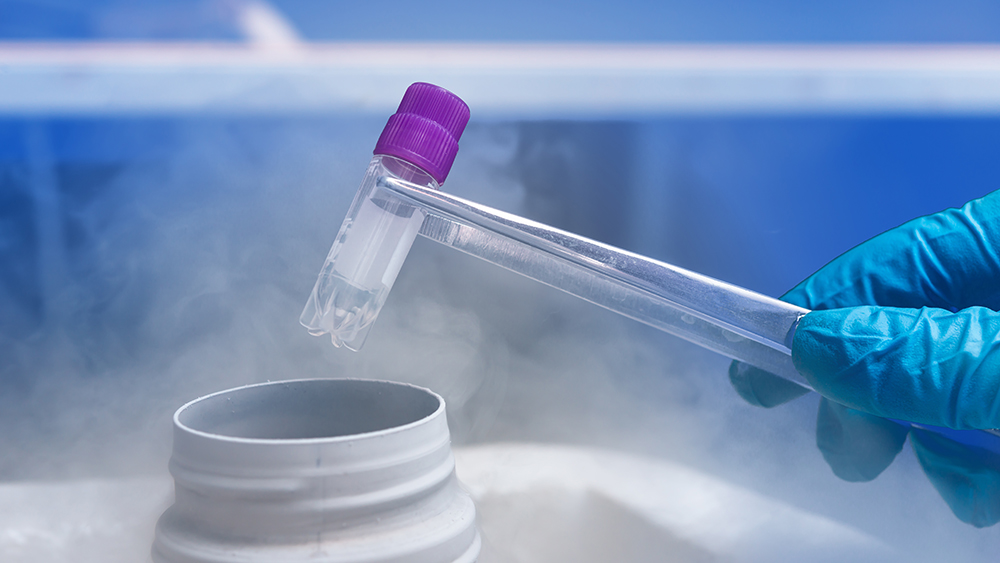
LH2 refers to hydrogen stored in a cryogenic liquid state. At atmospheric pressure, hydrogen gas must be cooled to approximately -253°C to become liquid hydrogen. This liquid form has a much higher density—about 70 kg/m³—compared to compressed hydrogen gas, which typically has a density of less than 40 kg/m³ even at very high pressures. Due to this higher energy density, LH2 is ideal for applications requiring compact storage solutions, such as transportation, aerospace, and industrial uses.
Liquid Hydrogen Production
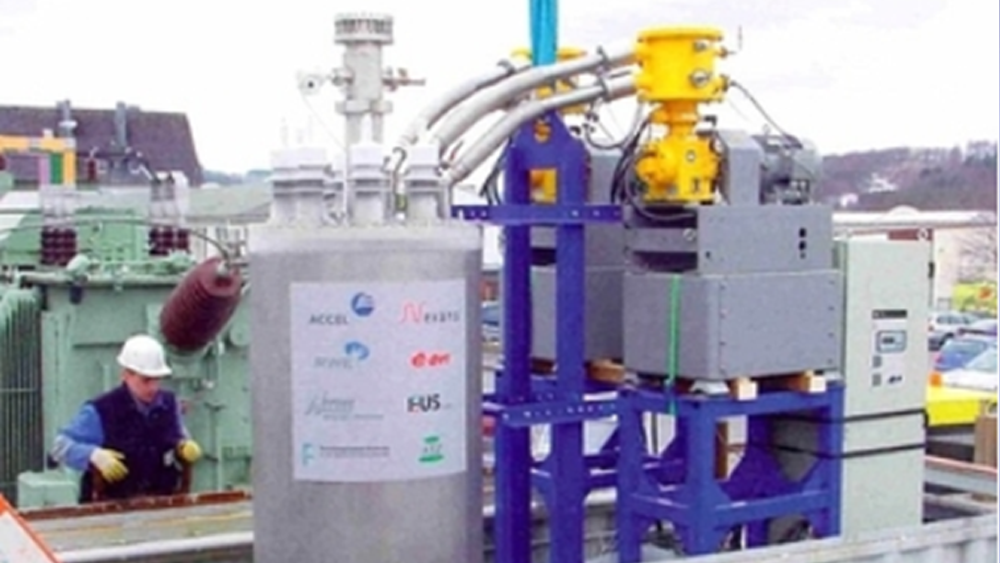
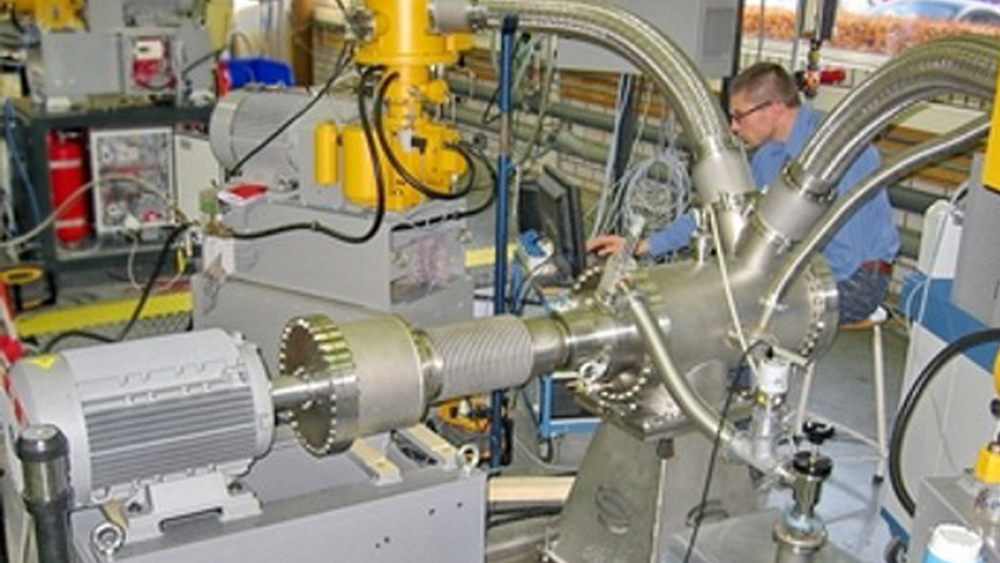
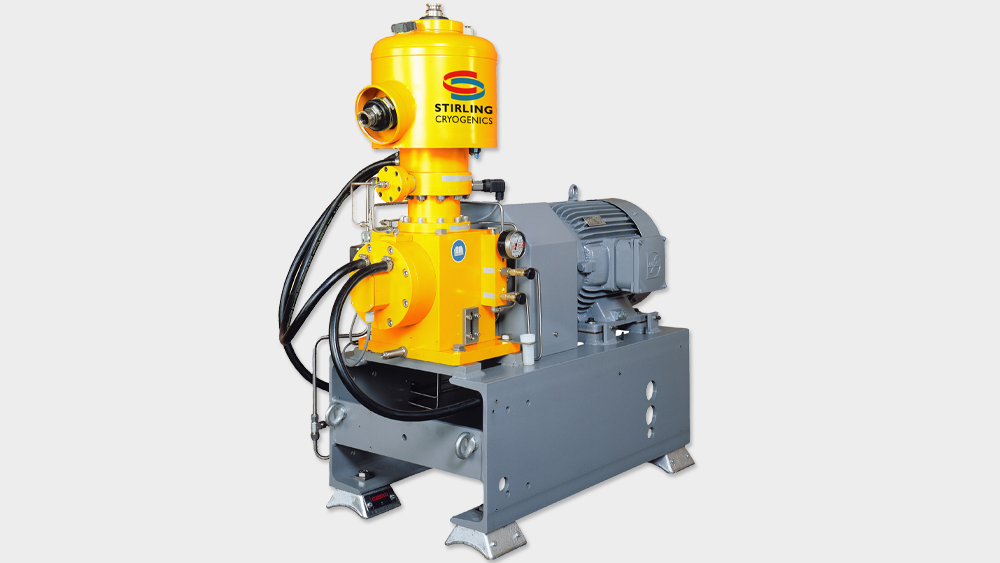
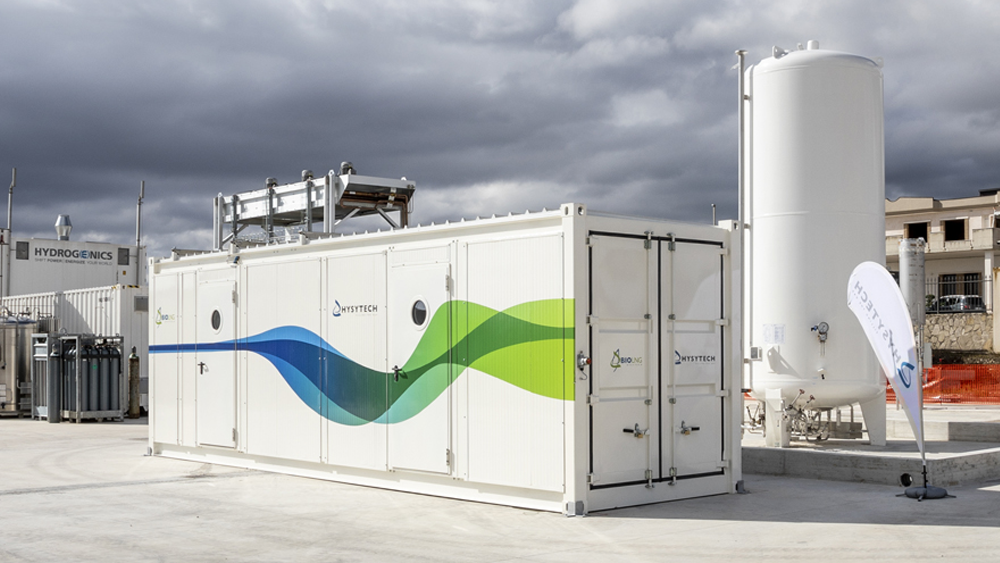
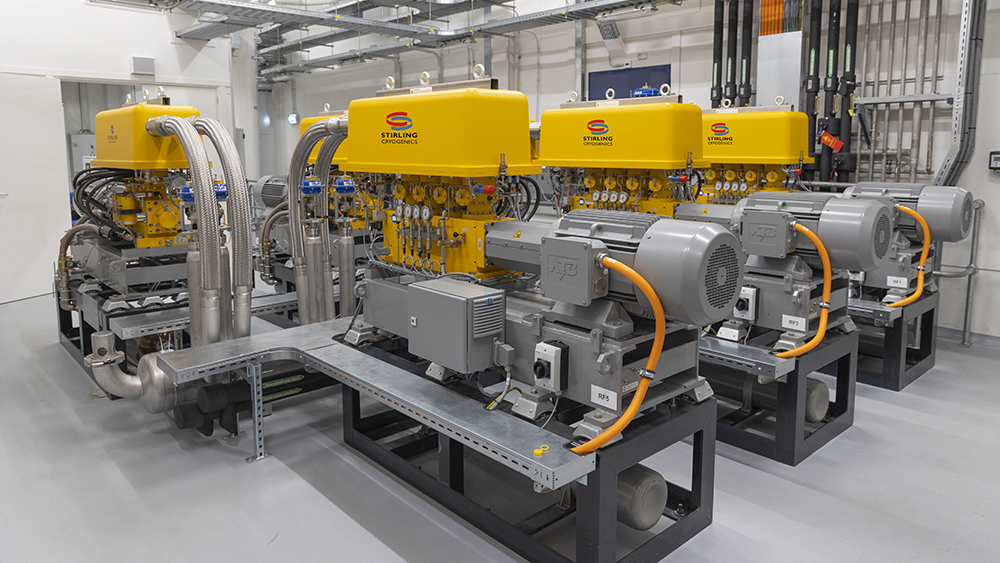
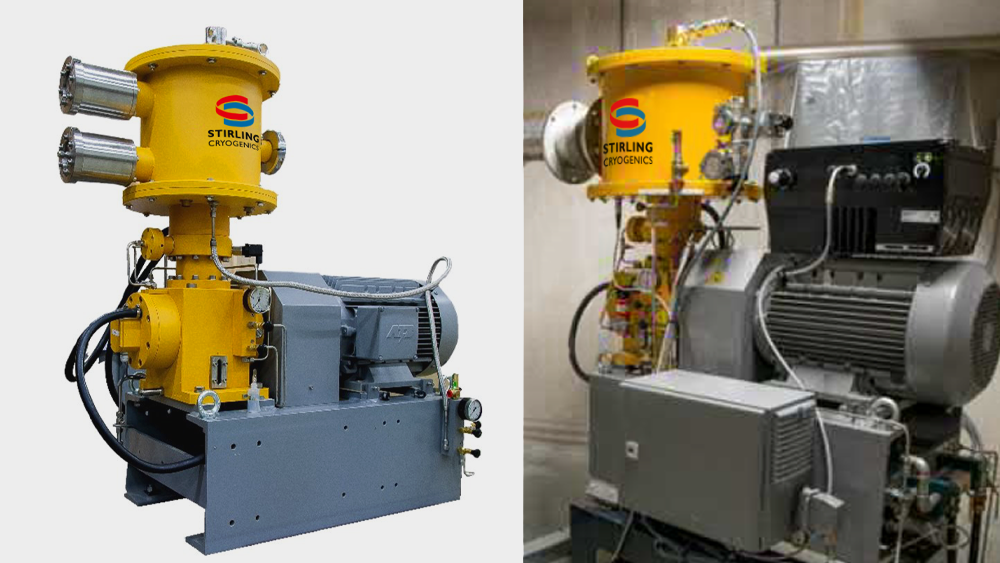
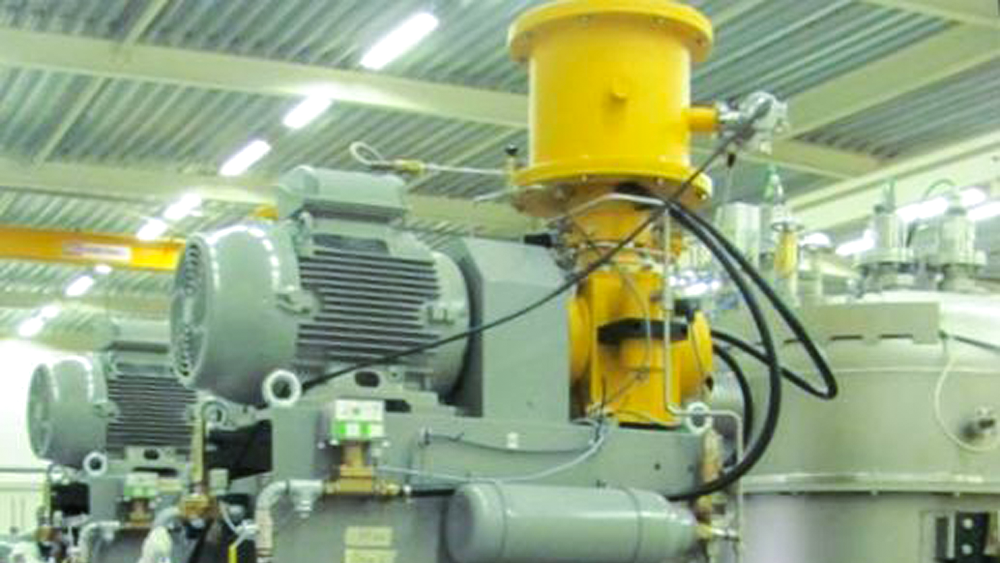
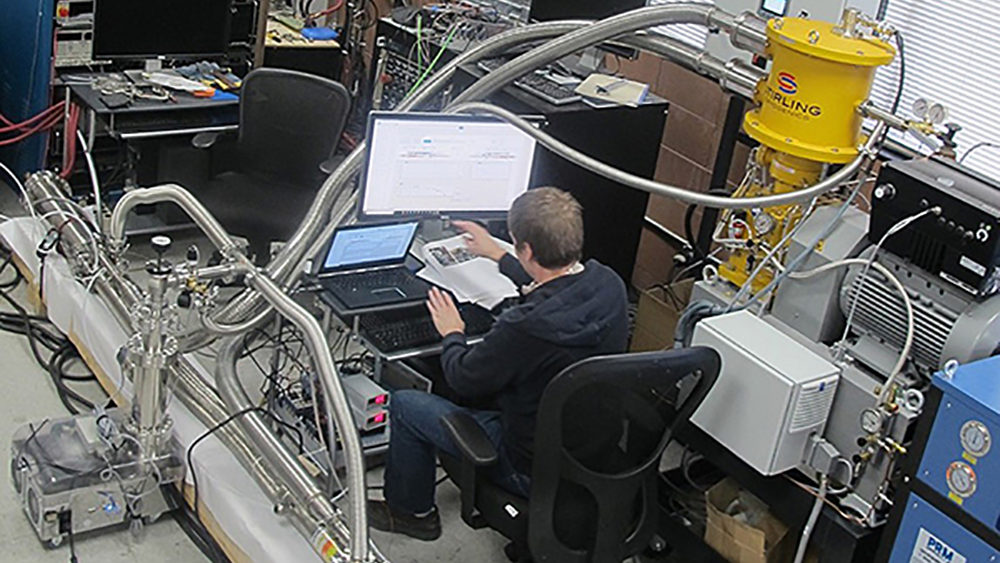
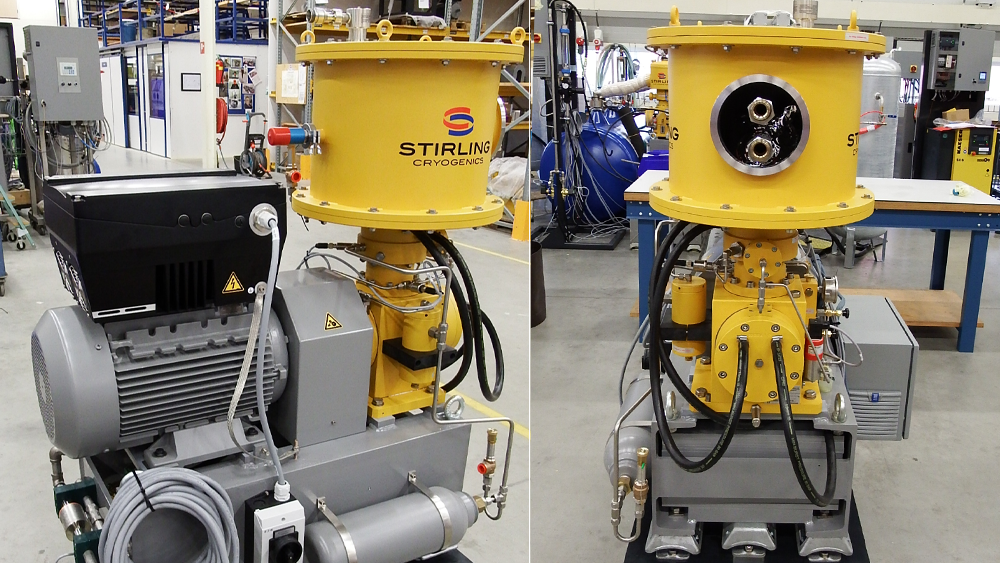
Various technologies are employed for hydrogen liquefaction, catering to different production scales. The Stirling Cryogenerator is a viable solution for smaller-scale liquid hydrogen production, such as at solar and wind farms. Its typical production capacity ranges from 5 to 2.000 kg per day, making it suitable for localized or distributed green hydrogen initiatives.
Boil-Off Gas (BOG) Management with a Hydrogen Liquefier
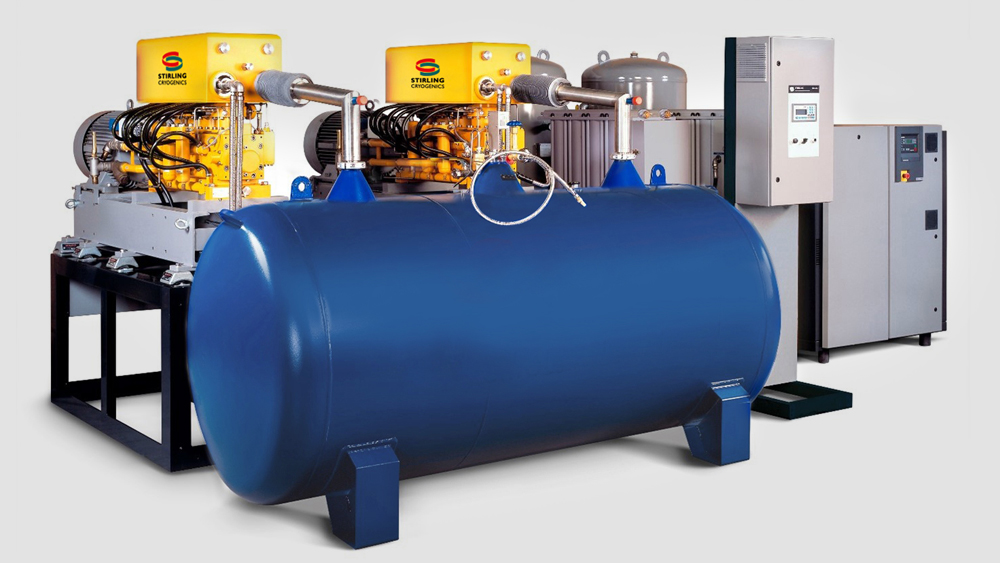
When liquid hydrogen is stored, heat ingress into the tank inevitably leads to a gradual evaporation of the liquid, a phenomenon known as Boil-Off Gas (BOG). To prevent the uncontrolled venting of this valuable gas and the associated energy loss, BOG must be managed effectively. Re-liquefaction of the boil-off gas is a common strategy. Stirling Cryogenics offers specialized BOG management solutions for liquid hydrogen storage tanks, ensuring efficient recovery and utilization of this hydrogen gas.
How to Make Liquid Hydrogen?
Producing liquid hydrogen involves a process called hydrogen liquefaction, which cools gaseous hydrogen to cryogenic temperatures using advanced refrigeration cycles. The main steps to make liquid hydrogen include:
Hydrogen Production: Hydrogen gas is produced through methods such as electrolysis of water or natural gas reforming.
Pre-cooling: The hydrogen gas is pre-cooled using conventional refrigeration techniques to reduce its temperature before entering the liquefaction stage.
Liquefaction: Specialized cryogenic equipment, such as a Stirling Cryogenerator or Claude cycle liquefier, further cools the hydrogen gas to below its boiling point (-253°C), converting it into liquid hydrogen.
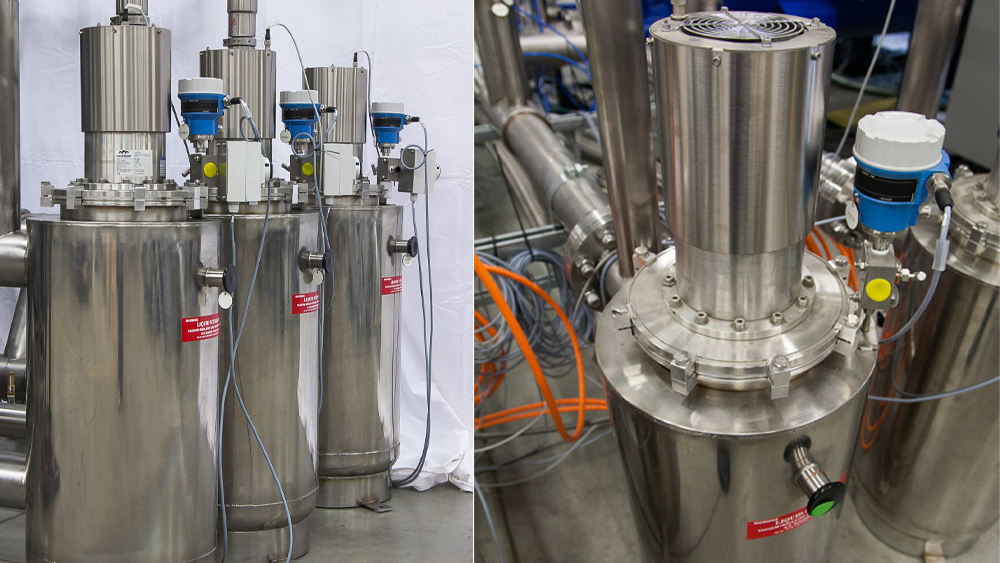
Storage: The liquid hydrogen is stored in a cryogenic hydrogen storage tank designed to maintain cryogenic temperatures and minimize heat ingress. These tanks are vacuum insulated and often incorporate multilayer insulation (MLI) to reduce boil-off gas losses.
The liquefaction process is energy-intensive, consuming approximately 30-40% of the hydrogen’s energy content, but it enables the storage of hydrogen in a much smaller volume compared to compressed gas.
Advantages of Liquid Hydrogen (LH2)
Higher Energy Density: LH2 allows for a smaller volume and weight compared to compressed hydrogen, making it suitable for transportation and mobile applications.
Efficient Storage: Cryogenic tanks designed for LH2 use vacuum insulation and advanced materials to maintain liquid hydrogen at cryogenic temperatures with minimal boil-off.
Faster Refueling: Liquid hydrogen can be refueled more quickly than compressed hydrogen gas, an advantage for hydrogen vehicles and industrial applications.
Versatility: LH2 supports a wide range of applications, including fuel cells in hydrogen vehicles, aerospace propulsion, and industrial processes.
Applications of Liquid Hydrogen
Hydrogen Vehicles: LH2 is used in fuel cell passenger vehicles, trucks, and buses, offering longer driving ranges due to its higher energy density.
Industrial Applications: Industries use LH2 for processes requiring high-purity hydrogen or as a cooling agent.
Aerospace: LH2 serves as a rocket fuel and in other aerospace propulsion systems due to its high energy content per mass.
Challenges in Liquid Hydrogen Storage and Production
Cryogenic Temperatures: Maintaining hydrogen at -253°C requires advanced insulation and materials that can withstand extreme cold without becoming brittle.
Boil-Off Gas (BOG): Heat ingress causes some LH2 to evaporate, generating boil-off gas that must be managed to avoid energy loss.
Energy Consumption: The liquefaction process is energy-intensive, impacting overall efficiency.
How Stirling Cryogenics Supports LH2 Production
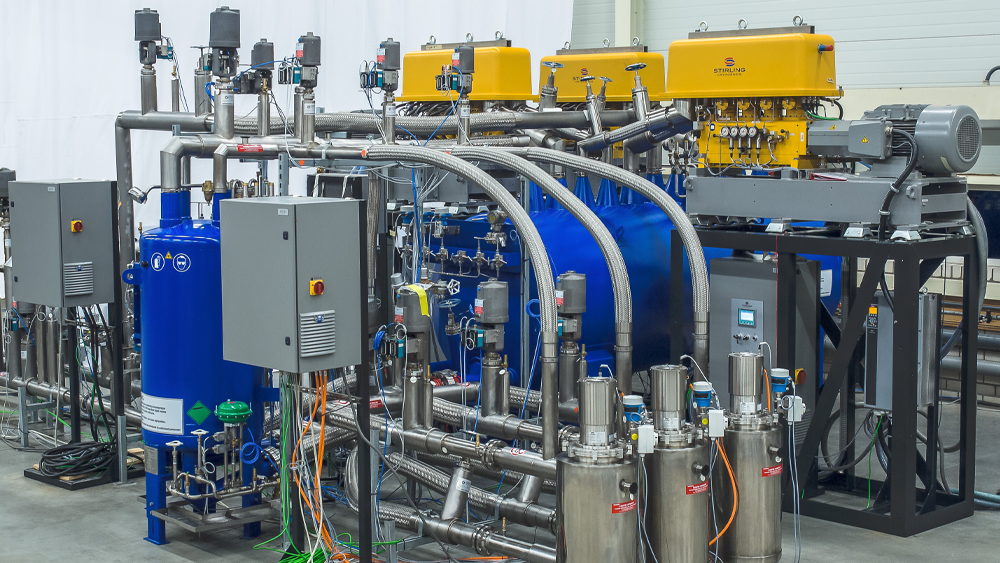
Stirling Cryogenics offers innovative cryogenic cooling systems, including Stirling Cryogenerators, which enable on-site production of liquid hydrogen at various scales. Their technology supports green hydrogen initiatives by providing reliable, efficient liquefaction and boil-off gas management systems. This allows customers to produce and store liquid hydrogen efficiently, reducing dependence on external supply chains.
Learn More
Explore our Liquid Hydrogen Plants and discover how our cryogenic solutions can help you produce and manage liquid hydrogen efficiently.